Buying a Hydraulic Baling Machine from an overseas supplier is not the same as buying one domestically. The machine is heavy, the freight is significant, the installation is technical, and the after-sales support is remote. For importers, trading companies, and distributors evaluating Chinese suppliers, the sourcing process matters as much as the machine specification itself.
This checklist sets out what to verify before you commit to an order.

Part One: Verify the Application Before You Verify the Price
The most common sourcing error is requesting quotations before defining the application. Two suppliers quoting "100-ton baling machine" may be quoting machines that perform very differently on your material.
1. Confirm your measured bulk density. Do not estimate. Fill a container of known volume with your material, weigh it, and calculate kg/m³. Loose cardboard typically sits at 30–60 kg/m³. Loose PET bottles can be as low as 20 kg/m³.
2. Confirm your target bale density. Paper mills and plastic processors specify this. OCC bales typically need 180–250 kg/m³. If you do not have a buyer specification, ask your intended buyer before contacting suppliers.
3. Calculate the compression ratio. Target density divided by input density. This number, not the tonnage rating, determines whether a machine can meet your requirement.
4. Confirm the material behaviour. Cardboard compresses and holds. Film compresses and rebounds. Metal scrap resists compression entirely. A supplier who quotes the same machine for all three has not understood the application.
Part Two: Verify the Machine Specification
Once the application is defined, the specification can be assessed properly.
5. Press force versus achievable density. Ask the supplier to state the achievable bale density for your specific material, not a generic figure. A machine rated at 100 tonnes may be adequate for one stream and inadequate for another.
6. Chamber dimensions and bale size. Confirm the bale dimensions against your buyer's specification and your container loading pattern. A bale that is 50 mm outside specification can be rejected at destination.
7. Binding system. Steel wire, plastic strapping, or cord. High-density cardboard and metal bales typically require high-tensile quenched steel wire with automatic tying. Confirm the wire specification and the supply source, because consumable availability affects long-term operating cost.
8. Cycle time at target bale weight. Throughput is not the same as cycle time. A machine with a fast cycle and a light bale may deliver lower tonnage per hour than a machine with a slower cycle and a heavier bale. Ask for both figures.
9. Automation level and operator requirement. Manual, semi-automatic, and fully automatic configurations differ in labour requirement and price. Confirm how many operators are needed per shift for each configuration.
Part Three: Verify the Supplier
10. Reference installations in your material stream. Ask for references from buyers processing the same material, not just the same machine model. A supplier with cardboard references may have no experience with film or metal.
11. Spare parts availability and lead time. Confirm which parts are consumables, which are wear parts, and what the lead time is for each. Ask for a recommended spare parts list with the quotation.
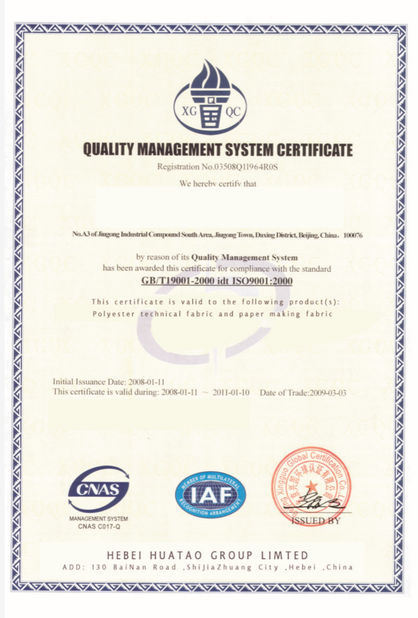
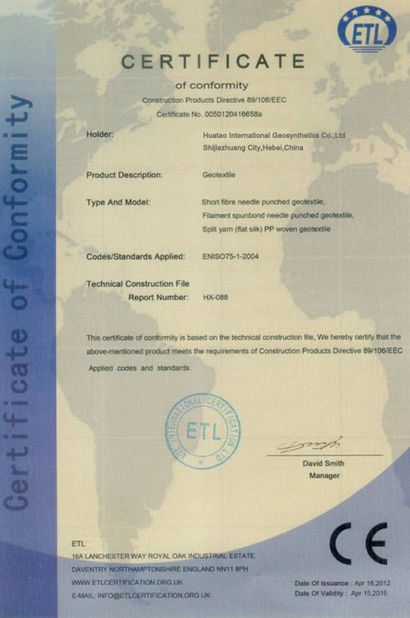
12. Documentation and after-sales arrangement. Confirm what documentation is provided — operation manual, maintenance schedule, electrical drawings, and any certification required for your market. Confirm how installation support and warranty claims are handled remotely.
Part Four: Commercial Terms
Beyond the machine itself, several commercial factors affect the landed cost.
Packing and freight. Baling machines are heavy and bulky. Confirm the packing method, the shipping dimensions, and whether the supplier handles export packing to your requirements.
Voltage and configuration. Confirm the machine is configured for your market's voltage, phase, and frequency. A machine built for 380V/50Hz will not operate correctly on 440V/60Hz without modification.
Payment terms and delivery schedule. Confirm the production lead time, the payment schedule, and the inspection arrangement before shipment.
The Point
A Hydraulic Baling Machine is a long-term capital purchase with a significant freight and installation component. The sourcing process should reflect that. Define the application first, verify the specification against the application, verify the supplier against your material stream, and confirm the commercial terms before committing.
Contact Us
Marketing@huataogroup.com
Tel:+86 13383116640 (WeChat/WhatsApp)
http://wa.me/13383116640
Website: www.huataoshredder.com
#HydraulicBalingMachine #BalingMachineSourcing #SupplierChecklist #RecyclingEquipment #ImportGuide #Huatao #B2B #WasteCompaction


 Your message must be between 20-3,000 characters!