Introduction: Why Supplier Selection Matters
Custom rubber rollers play an important role in paper processing, flexible packaging, printing, plastic film production, coating, laminating, and other industrial converting applications. A roller that does not match the equipment or operating conditions may contribute to inconsistent processing, premature wear, maintenance problems, or production interruptions.
Finding a reliable supplier therefore requires a structured evaluation. Buyers should understand what the supplier can support, how the roller will be specified, what quality evidence is available, and whether the proposed solution is suitable for the intended application.
The following sections provide a practical framework for evaluating suppliers before requesting a quotation or placing an order.
1. How to Verify a Supplier's Actual Capabilities
The first step is to determine whether a supplier can support the roller dimensions, materials, surface requirements, and tolerances needed for your equipment.
A custom roller project may involve a metal core, shaft machining, rubber compound selection, surface preparation, rubber covering, bonding or vulcanization, precision grinding, surface finishing, and final inspection. Certain designs may also require grooving, polishing, or dynamic balancing.
Ask the supplier which processes are completed in-house and which are handled by manufacturing partners. Outsourcing does not automatically indicate poor quality, but the supplier should explain how specifications are communicated and how the finished product is checked.
Factory photographs and production videos can provide an initial indication of the available equipment and workflow. For stronger verification, request information about a project with comparable dimensions, materials, and technical requirements. Confirm whether the supplier can review your drawing, identify missing specifications, and explain the proposed inspection plan.
The goal is not simply to find a company that claims to manufacture industrial rollers. It is to find a supplier whose capabilities and project arrangements match your actual requirements.
2. Prepare Complete Technical Specifications
A clear specification helps reduce misunderstandings and makes supplier quotations easier to compare.
Where possible, provide the following information:
-
Roller diameter, working face length, and overall length
-
Core material, wall thickness, shaft dimensions, and mounting interfaces
-
Rubber compound, covering thickness, and target Shore hardness
-
Surface finish, roughness, grooves, and other surface features
-
Dimensional tolerances, concentricity, and total indicated runout (TIR)
-
Operating temperature, rotational speed, line speed, pressure, and load
-
Chemical exposure, substrate contact, and working environment
-
Inspection requirements, order quantity, packaging, and delivery schedule
Not every roller requires every measurement. The appropriate inspection criteria depend on the roller design and its application.
For example, a high-speed roller may require balancing checks, while a roller used in a coating process may need specific surface-finish requirements. A rubber-covered roller may require hardness and covering-thickness verification, depending on the agreed specification.
For plastic film production, Polyfilm Line Rolls and Chill Roll provide relevant product references. The final specifications should be checked against the customer's equipment and operating conditions.
3. Select the Right Rubber Material
Material selection affects wear resistance, chemical compatibility, temperature performance, friction, and contact behavior. A material that performs well in one application may be unsuitable for another.
Silicone rubber, NBR, EPDM, and polyurethane have different properties. Silicone may be considered where appropriate temperature stability or release characteristics are required. NBR may be evaluated for certain oil-contact environments, while EPDM may be considered for suitable moisture, weather, or chemical conditions. Polyurethane may be relevant when abrasion resistance and mechanical properties are important.
These are general selection considerations rather than universal recommendations. The correct material depends on the exact contact media, temperature, pressure, speed, hardness requirements, and surface interaction.
Buyers should explain how the roller will be used instead of selecting a material based only on its name or initial price. A supplier should clarify the relevant operating conditions before confirming a material recommendation.
For applications requiring silicone rubber, Liquid Silicone Rubber Roll is a relevant product reference. For film surface-treatment applications, Corona Treater Roll and Corona Nip Roll may be relevant depending on the line configuration and application requirements.
4. Verify Quality with Product-Specific Evidence
Supplier videos, photographs, and certificates are useful for an initial assessment, but they do not independently prove that a particular roller meets the purchase specification.
Before production begins, agree on the applicable inspection criteria. Depending on the project, these may include overall dimensions, outside diameter, working face length, rubber hardness, surface finish, covering thickness, total indicated runout, and concentricity.
Dynamic balancing may also be necessary for certain applications. Other specialized requirements should be included when supported by the roller design and operating conditions.
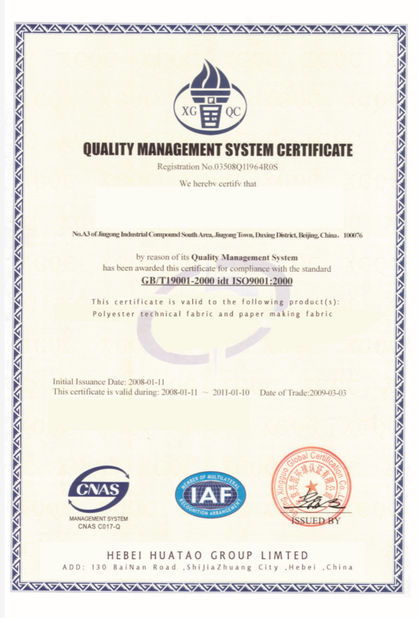
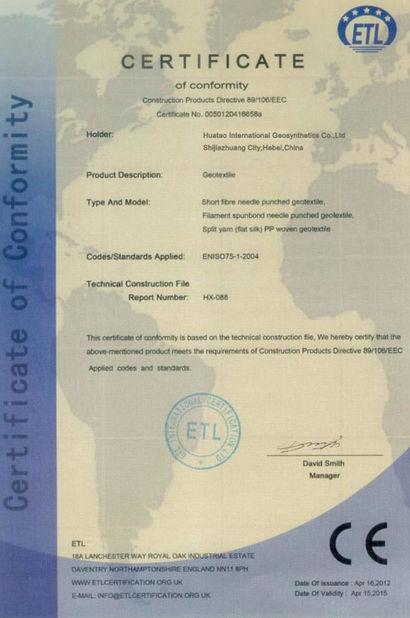
Request inspection records for the agreed parameters. If a quality management certificate is provided, verify its validity, scope, and issuing organization. Remember that a management-system certificate is not a substitute for product-specific inspection results.
It is also important to distinguish between a requested specification, a proposed manufacturing tolerance, and an actual measured result. A target value should not be treated as a verified result unless the relevant measurement has been completed.
For replacement rollers, buyers should also confirm that shaft dimensions, mounting interfaces, and other critical features match the existing equipment. Drawings, samples, and measurements can help establish the technical basis for evaluating compatibility.
5. Compare Suppliers Beyond Price
A lower quotation does not necessarily mean lower total cost. Suppliers may quote different materials, core constructions, tolerances, inspection scopes, or delivery arrangements.
Before comparing prices, confirm that all quotations use the same technical requirements. Ask each supplier to identify exclusions and clarify any assumptions that may affect the final product.
Total cost of ownership is another important factor. Expected service life, maintenance frequency, replacement lead time, installation requirements, and potential production downtime can all affect the overall cost of using a roller.
Communication and project support should also be considered. A dependable supplier should be able to clarify technical questions, document the agreed specifications, communicate progress, and explain how quality concerns will be handled.
For paper processing applications, Paper Machine Roll Covers: Rubber, Polyurethane, Ceramic & Tungsten Carbide provides a related technical reference. For film production engineers evaluating roller core considerations, see The Steel Roller Core Decision: A Practical Guide for BOPP & BOPET Production Engineers.
For coating applications, Why Do Specialized Coating Machine Rollers Dictate Wet-Film Thickness Uniformity in Precision Converting Lines? provides further context on specialized roller requirements.
6. Choose a Supplier That Understands Your Application
A suitable supplier should consider the complete application rather than treating the roller as an isolated component.
Important factors include the processed material, web tension, contact pressure, operating temperature, line speed, surface characteristics, and equipment configuration. These factors can influence roller design, material selection, surface finish, and inspection requirements.
For a new project, technical discussions should clarify the required dimensions, core structure, material, tolerances, and acceptance criteria. For replacement rollers, the buyer should provide existing drawings, sample measurements, photographs, or equipment specifications whenever possible.
If the information is incomplete, the supplier should explain which details are still required. Technical evaluation helps establish a realistic basis for the quotation and reduces the risk of ordering a roller that does not meet the intended requirements.
7. Custom Industrial Roller Solutions from HUATAO GROUP
HUATAO GROUP supplies customized industrial roller solutions for paper, packaging, printing, and plastic film processing applications. Projects can be evaluated using customer drawings, existing roller samples, equipment specifications, and application requirements.
The appropriate roller design and manufacturing arrangement depend on the specific project. Dimensions, materials, tolerances, surface requirements, and inspection criteria should be reviewed before a quotation is confirmed.
Whether you are sourcing replacement rollers or evaluating a new application, providing complete technical information can help make the inquiry process more efficient.
To discuss your project, prepare the roller dimensions, required material and hardness, operating conditions, order quantity, and any available drawings or photographs.
Contact HUATAO GROUP
Tony Liu
General Manager | International Department
Mobile / WhatsApp / WeChat: +86 13383112591
Email: sale08@huataogroup.com
Website: https://www.huataorolls.com/


 Your message must be between 20-3,000 characters!