Introduction: What Should Buyers Look for in a Chinese Roller Supplier?
China has a broad supplier base for industrial rollers used in paper manufacturing, plastic film production, printing, packaging, and converting. These applications require different roller designs, materials, dimensions, and surface characteristics.
For international buyers, the challenge is to identify a supplier whose capabilities and manufacturing arrangements match the specific project. A supplier may offer a wide product catalog, but that does not automatically demonstrate experience with every roller type or production process.
A structured evaluation should begin with the intended application, followed by technical requirements, manufacturing arrangements, inspection documentation, delivery conditions, and long-term support.
1. How Can Buyers Verify a Supplier's Manufacturing Capability?
Manufacturing capability should be evaluated against the roller being purchased rather than the number of products shown in a catalog.
Depending on the design, relevant manufacturing processes may include roller core machining, shaft machining, rubber covering, vulcanization, precision grinding, surface finishing, coating, engraving, and dynamic balancing.
Ask About Equipment and Manufacturing Arrangements
Request details about the processes performed directly by the supplier and those handled by external partners. Where subcontracting is involved, ask how technical specifications are communicated, how the results are inspected, and who takes responsibility for final acceptance.
Outsourcing does not automatically indicate poor capability. A supplier's ability to coordinate production, control specifications, manage delivery, and resolve quality issues is also important.
Factory photographs and production videos can provide useful background. However, a generic workshop video may not prove that the supplier can manufacture a particular large-diameter, high-precision, or specialized roller. Request evidence relevant to the product under consideration.
Confirm Experience with Similar Applications
Ask whether the supplier has experience with comparable machinery and operating conditions. Examples may include paper-making equipment, BOPP and BOPET film production lines, gravure printing machinery, flexographic printing systems, and coating or laminating equipment.
For film applications, products may include MDO Nip Roll, Chill Roll, Corona Treater Roll, and Corona Nip Roll. Each product should be evaluated against the requirements of its particular station and production process.
2. Which Technical Specifications Matter Most?
A roller's nominal dimensions are only part of its specification. Shaft interfaces, core construction, material, surface characteristics, tolerances, and operating conditions can all influence compatibility.
Before requesting quotations, buyers should prepare the most complete technical information available.
Important details may include:
-
Roller diameter, working face length, and overall length
-
Core material, wall thickness, and structural design
-
Shaft dimensions, journals, keyways, and mounting interfaces
-
Rubber compound, hardness, and covering thickness, where applicable
-
Surface treatment, coating thickness, and surface roughness
-
Dimensional tolerances, concentricity, and radial runout
-
Dynamic balancing requirements and operating speed
-
Working temperature, line speed, load, and contact material
The required parameters depend on the product. Not every roller requires the same inspection criteria or manufacturing process.
Consider Core Design and Surface Materials
For film production lines, core design should be assessed against the machine configuration and operating conditions. Buyers can consult this steel roller core selection guide as a starting point for understanding relevant design considerations.
Material selection is equally important. Depending on the application, rollers may use NBR, EPDM, polyurethane, silicone, steel, stainless steel, aluminum, or other specified materials.
Selection should consider temperature, chemical exposure, abrasion, friction, thermal behavior, and contact with the processed material. The most suitable material cannot be determined by hardness or price alone.
For paper processing, paper machine roll covers illustrate
another area in which the roller's function, covering material, and surface requirements must be considered together.
3. How Can Buyers Verify Quality and Inspection Results?
Quality documentation helps buyers determine whether the supplier has defined and checked the characteristics that matter for the order.
Production videos, certificates, and general quality statements can support initial screening, but they should not replace product-specific inspection evidence.
Request Relevant Inspection Records
Depending on the application, inspection may include dimensional measurements, hardness, surface condition, coating thickness, radial runout, concentricity, surface roughness, and dynamic balancing.
The inspection plan should reflect the agreed drawing and acceptance criteria. For example, surface roughness may be critical for one application, while thermal behavior or balancing requirements may be more important for another.
Ask whether inspection records can be linked to the relevant roller and whether drawing revisions and technical changes are documented.
Understand the Scope of Certifications
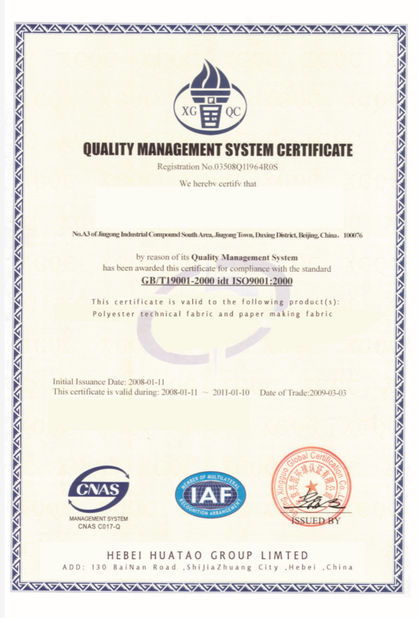
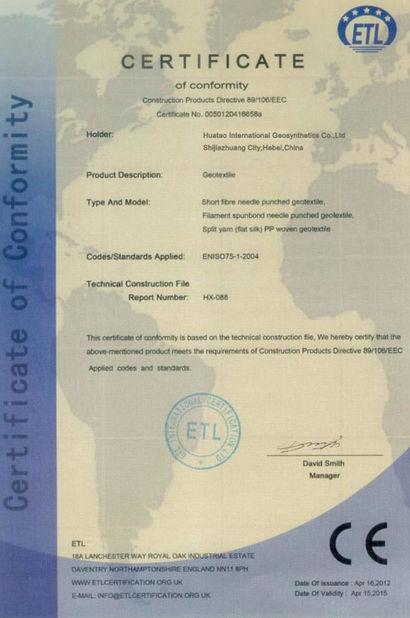
Quality management certification may provide evidence about a supplier's management system, but buyers should verify the certificate's validity and scope. Certification alone does not prove that every product will meet a particular technical specification.
For customized rollers, the more direct question is whether the supplier can demonstrate that the delivered product has been evaluated against the agreed requirements.
4. How Should Buyers Compare Suppliers with Similar Capabilities?
When several suppliers appear suitable, quotations should be compared on a consistent technical basis.
Confirm that all suppliers are quoting against the same drawing revision, material requirements, tolerances, inspection scope, packaging, and delivery terms.
A lower quotation may reflect a different material, manufacturing arrangement, inspection plan, or scope of supply. These differences should be identified before selecting a supplier.
Evaluate Total Cost of Ownership
The purchase price is only one part of the cost. Depending on the application, incorrect dimensions, premature wear, surface defects, vibration, or an incompatible shaft interface can lead to maintenance costs and production interruptions.
Buyers should also consider lead time, packaging, documentation, technical communication, and how quality concerns are handled.
For replacement rollers, confirm compatibility with the existing equipment. If original drawings are unavailable, samples, photographs, measurements, and machine information may help establish the necessary specifications.
A well-structured comparison makes it easier to identify the supplier whose manufacturing arrangements, technical knowledge, and quality controls best match the project.
5. What Industrial Roller Solutions Are Used in Paper, Film, and Printing?
Industrial rollers serve different functions across paper manufacturing, plastic film production, printing, and converting. Product selection should begin with the process and operating conditions rather than a generic product name.
Paper Mills and Paper Processing
Paper-making and converting machinery may use guide rolls, press rolls, calender rolls, coating rolls, size press rolls, rewinder rolls, and other specialized rollers.
The appropriate design depends on the roller's position in the process, contact conditions, machine configuration, and required surface performance. Buyers should identify the function of the existing roller and confirm the relevant technical requirements before ordering a replacement.
BOPP, BOPET, and CPP Film Production
Film production lines may require rollers for stretching, cooling, corona treatment, nip pressure, cleaning, and slitting. Examples include MDO nip rolls, chill rolls, corona rolls, corona nip rolls, and contact rolls for web handling.
For these applications, dimensions alone are insufficient. Material compatibility, surface condition, temperature, line speed, load, and equipment requirements should be reviewed together.
A supplier should assess the available technical information before confirming whether a proposed roller is suitable for the application.
Printing, Coating, and Laminating
Printing and converting machinery may use anilox rolls, gravure rolls, printing rubber rollers, ink transfer rollers, coating rolls, and laminating rollers.
For printing applications, requirements may involve engraving geometry, ink transfer, surface characteristics, and equipment interfaces. Coating and laminating applications may place different demands on the roller surface, contact material, and process conditions.
The exact specification should be established according to the equipment and production requirements.
6. How Can Buyers Prepare an Effective Quotation Request?
Providing complete information helps a supplier assess the project and identify missing technical details.
Where available, include:
-
Roller drawings or existing roller specifications.
-
Diameter, working face length, overall length, and shaft details.
-
Core material, covering material, and hardness requirements.
-
Surface treatment and required finish.
-
Equipment manufacturer, model, and application.
-
Operating temperature, line speed, load, and contact material.
-
Required tolerances and inspection criteria.
-
Quantity, delivery destination, and target delivery schedule.
If a complete drawing is unavailable, buyers can begin with photographs, existing measurements, machine information, and a description of the roller's function. The supplier can then review the available information and identify what additional details are required.
Clear specifications reduce ambiguity during quotation and help establish a common technical basis for comparing offers.
7. Custom Industrial Roller Solutions from HUATAO GROUP
HUATAO GROUP supplies industrial roller solutions for paper processing, plastic film production, printing, packaging, and related applications.
Depending on the project, requirements may involve rubber rollers, guide rolls, press rolls, coating rolls, MDO nip rolls, chill rolls, corona rolls, corona nip rolls, and other customized products.
The appropriate solution depends on the application, equipment configuration, dimensions, material requirements, surface characteristics, and operating conditions. Manufacturing arrangements and technical feasibility should be reviewed for each specific project rather than assumed to be identical across all products.
HUATAO GROUP welcomes inquiries from buyers seeking customized or replacement rollers for industrial production lines. Providing drawings, samples, equipment details, or application information can help establish the technical requirements for further evaluation.
Conclusion
Selecting a Chinese industrial roller supplier requires a balanced assessment of manufacturing arrangements, technical compatibility, material selection, inspection documentation, delivery conditions, and communication.
Buyers should compare suppliers using consistent specifications and consider the potential operating costs associated with roller performance, maintenance, and production interruptions.
For paper, film, printing, coating, and laminating applications, the first step is to define the roller's function and technical requirements clearly.
Contact HUATAO GROUP to discuss your custom industrial roller requirements. Share your drawings, specifications, or application details to begin a technical discussion about a suitable solution for your project.
Related Products: MDO Nip Roll | Chill Roll | Corona Treater Roll | Corona Nip Roll | Anilox Roll | Gravure Roll
Contact Information
Tony Liu
General Manager | International Department
Mobile / WhatsApp / WeChat: +86 13383112591
Email: sale08@huataogroup.com
Website: https://www.huataorolls.com/


 Your message must be between 20-3,000 characters!