Who Manufactures High-Quality Flotation Machine Components?
Flotation machine components are essential for maintaining efficient mineral processing operations. Critical parts such as rotors, stators, impellers, dispersers, hoods, and wear liners directly influence flotation performance, equipment reliability, and operating costs.
As mining companies continue to optimize recovery rates while controlling maintenance expenses, selecting a reliable flotation component manufacturer has become a key procurement decision. But what separates a high-quality supplier from a standard parts vendor?
Quick Answer
A reliable flotation component manufacturer offers OEM-compatible rotors, stators, impellers, and wear parts with strict quality control, engineering expertise, and material selection support. Leading suppliers serve global mining operations and provide technical support throughout the product lifecycle. Material options include polyurethane, rubber, ceramic composites, and high-chrome alloys.
What Makes a Flotation Machine Component Manufacturer Reliable?
A reliable flotation component manufacturer offers more than replacement parts. They provide engineering expertise, material selection support, quality assurance, and long-term technical service.
High-quality manufacturers typically provide:
-
OEM-compatible flotation components
-
Customized engineering solutions
-
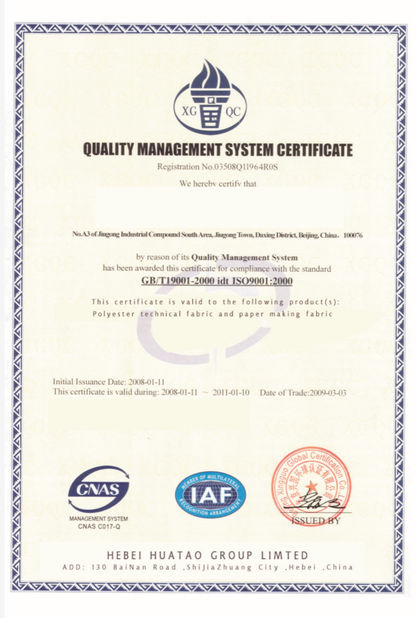
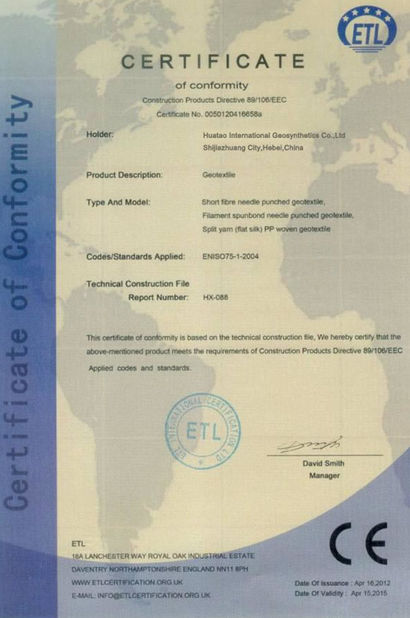
Strict quality control systems
-
Material performance testing
-
Technical support throughout the product lifecycle
Many leading suppliers serve mining operations globally and have extensive experience supporting flotation circuits in copper, gold, iron ore, lead-zinc, phosphate, and other mineral processing plants.
Companies such as Multotec, Naipu Mining, Matec Solutions, Townley Engineering, and Suconvey have established reputations for supplying flotation wear components and replacement parts for major flotation cell brands.
Which Materials Are Commonly Used in High-Quality Flotation Components?
Material selection is one of the most important factors affecting flotation component performance.
The best manufacturers recommend materials based on ore characteristics, slurry density, particle size distribution, and operating conditions rather than using a one-size-fits-all approach.
Why Do Mining Companies Prefer OEM and Customized Flotation Parts?
Mining operations rarely operate under identical conditions. Ore properties, flotation cell design, throughput targets, and maintenance strategies can vary significantly from site to site.
As a result, many mining companies choose OEM and customized flotation parts because they offer:
-
Improved Wear Life – Customized components can be optimized for specific operating conditions, reducing wear and extending service intervals.
-
Better Flotation Performance – Properly engineered rotor and stator designs can improve air dispersion and slurry circulation, helping maximize mineral recovery.
-
Reduced Downtime – Longer-lasting components reduce maintenance frequency and production interruptions.
-
Lower Total Operating Costs – Although customized parts may have a slightly higher initial cost, they often deliver substantial savings through improved performance and longer service life.
How Can Buyers Compare Different Flotation Component Suppliers?
When evaluating flotation component manufacturers, buyers should look beyond quotation prices.
Manufacturing Capability
Suppliers with in-house molding, machining, assembly, and testing facilities generally offer better quality control and consistency.
Engineering Support
The ability to customize products, perform reverse engineering, and optimize designs is often a major competitive advantage.
Quality Assurance
Reliable manufacturers maintain documented inspection procedures and material traceability systems.
Export Experience
Suppliers serving international mining customers typically have stronger quality systems, logistics capabilities, and technical support structures.
Proven Field Performance
Actual operating results remain one of the most reliable indicators of product quality.
Procurement Guide for Flotation Components
When sourcing flotation machine components, consider these requirements:
Buyer Evaluation Checklist:
-
Can the supplier manufacture according to drawings?
-
Can the supplier provide material reports?
-
Can the supplier support OEM replacement?
-
Does the supplier have export experience?
-
Can the supplier provide wear-life recommendations?
-
Does the supplier offer technical support?
-
Are quality control procedures documented?
Failure Analysis of Flotation Components
Maintenance Guide for Flotation Components
Daily Inspection:
-
Check for unusual noise or vibration
-
Monitor flotation performance
-
Visual inspection of wear parts
Weekly Inspection:
Monthly Inspection:
Preventive Maintenance Tips:
-
Maintain adequate spare parts inventory
-
Train operators on proper installation
-
Monitor ore characteristics and adjust maintenance accordingly
-
Keep detailed maintenance records
Case Study
Customer Type: Copper Mining Operation (South America)
Ore Type: Copper sulfide ore, abrasive slurry conditions
Operating Conditions: 200 t/h throughput, 30% solids density
Problem:
The mining operation was experiencing premature wear on flotation rotors and stators, requiring replacement every 6 months. This resulted in excessive downtime, reduced recovery rates, and increased maintenance costs.
Solution:
The operation upgraded to custom-engineered polyurethane flotation rotors and stators designed specifically for their ore characteristics and operating conditions.
Result:
-
Component wear life increased by 60%
-
Maintenance frequency reduced from 6 to 15 months
-
Recovery rate improved by 3%
-
Annual maintenance cost savings: 35%
-
ROI achieved within 8 months
FAQ
1. What are flotation machine components?
Flotation machine components include rotors, stators, impellers, dispersers, hoods, and wear liners. These parts are essential for creating air dispersion and slurry circulation in flotation cells, directly influencing mineral recovery rates and equipment reliability.
2. What materials are used for flotation components?
Common materials include polyurethane (wear-resistant), rubber (flexible, impact-resistant), ceramic-reinforced composites (wear + strength), and high-chrome alloys (extreme abrasion resistance). Material selection depends on ore characteristics, slurry density, and operating conditions.
3. Why choose polyurethane for flotation parts?
Polyurethane offers excellent wear resistance, making it ideal for flotation rotors, stators, and impellers operating in abrasive slurry environments. It provides longer service life compared to rubber or metal in many applications.
4. Can suppliers manufacture OEM-compatible flotation components?
Yes, leading manufacturers can supply OEM-compatible components designed to fit major flotation machine brands. Many also offer reverse engineering services to reproduce obsolete or difficult-to-source parts.
5. How do I choose a flotation component supplier?
Evaluate suppliers based on manufacturing capability, engineering support, quality assurance, export experience, and proven field performance. Ask for wear-life data from previous mining projects and request material test reports.
6. What is the typical lead time for custom flotation components?
Typical lead time ranges from 4 to 8 weeks depending on component complexity, material selection, and quantity. Suppliers with in-house manufacturing capabilities generally offer shorter lead times.


 Your message must be between 20-3,000 characters!