Who Supplies Ceramic Anilox Rolls for Flexographic Printing Presses in the US and Europe?
Ceramic anilox rolls are widely used in flexographic printing systems to meter and transfer a controlled volume of ink, coating, or another fluid to the printing plate. Their suitability depends on the engraved cell structure, cell volume, line count, surface condition, and the requirements of the complete printing process.
For purchasing teams, the challenge is identifying a supplier that can meet the technical specification and provide appropriate evidence of product conformity. A supplier’s website, catalogue, or production video can be a useful starting point, but buyers should also evaluate manufacturing arrangements, inspection procedures, replacement compatibility, communication, and delivery conditions.
Companies worth investigating in the US include Aalberts Surface Technologies and CTS Industries. In Europe, buyers may research Cheshire Anilox Technology and Zecher. These are examples for supplier research rather than a universal ranking. Their current product ranges, manufacturing scope, and suitability for a particular project should be confirmed directly.
How Can I Verify a Supplier’s Actual Ceramic Anilox Roll Manufacturing Capabilities?
The first step is to clarify whether a supplier manufactures complete rolls, specializes in services such as laser engraving or resurfacing, or coordinates production through qualified manufacturing partners. These business models are different, but each may be appropriate when the scope is clearly defined and matches the customer’s requirements.
For a new roll, buyers should understand the proposed construction and production route. For a replacement roll, the existing drawing, equipment model, dimensions, shaft interfaces, and mounting details are important starting points. If a sample is available, it may help clarify the existing configuration, subject to technical evaluation.
Depending on the project, relevant operations may include roll-body preparation, ceramic coating, grinding, laser engraving, surface finishing, dimensional inspection, and reconditioning. Buyers should ask which operations are performed directly and which are handled by other facilities. It is not appropriate to assume that every supplier performs all processes in-house.
A useful supplier qualification checklist includes:
-
Can the supplier review existing drawings and equipment specifications?
-
Can it confirm the roll or sleeve configuration and mounting interfaces?
-
Can it evaluate the required line count, cell volume, and cell geometry?
-
What product-specific inspection records can it provide?
-
Does it offer resurfacing or reconditioning when relevant?
-
Which company or facility is responsible for each stage of the project?
The answers help establish whether the supplier’s actual scope matches the requested work.
Can I Trust a Supplier’s Production Videos, Certifications, and Anilox Roll Specifications?
Production videos, photographs, and brochures can help buyers understand a supplier’s stated capabilities. However, promotional materials cannot independently establish that a specific roll meets its approved specification.
Ceramic coating and laser engraving are important considerations because the finished surface and engraved cells influence how fluid is held and transferred. The required cell volume and geometry should be considered in relation to the ink or coating, printing plate, substrate, and intended print result.
Buyers should ask about relevant technical measurements, including line count, cell volume, cell geometry, surface condition, dimensions, and total indicated runout (TIR), where applicable. Inspection methods should match the parameter being evaluated. For example, three-dimensional optical measurement may be used to assess engraving characteristics, while dimensional inspection helps verify the roll’s specified geometry and interfaces.
When suppliers publish coating hardness, porosity, or other process figures, clarify whether these represent general capability claims, target values, or actual measurements from the order. A general technical statement should not be treated as proof that the supplied product meets the same value.
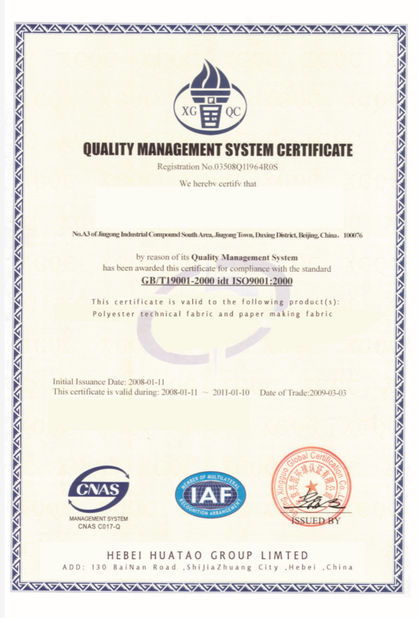
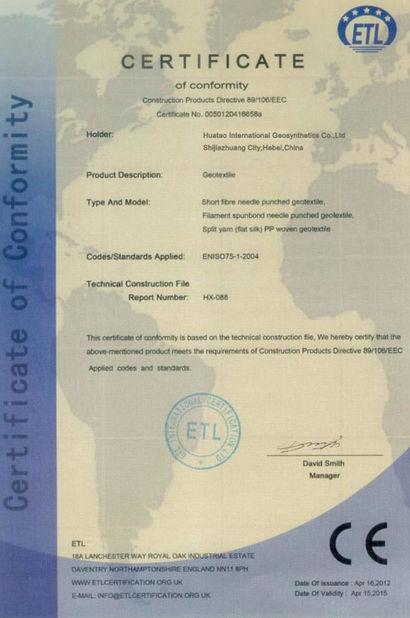
Certificates also require context. Buyers should verify the issuing organization, scope, validity, and relevance to the product or process being purchased. A certificate does not automatically demonstrate compliance with every customer-specific requirement.
Before production begins, agree on the inspection plan and acceptance criteria. This makes it easier to establish which parameters must be checked and which records will be supplied.
What Questions Should I Ask Before Ordering Ceramic Anilox Rolls for Flexographic Printing?
A complete inquiry gives the supplier enough information to evaluate the application. Begin with the press model, roll or sleeve configuration, intended fluid, substrate, and required printing or coating result. If known, identify whether the roll will transfer conventional ink, UV ink, coating, adhesive, or another material.
Next, provide the available engineering details. These may include line count, cell volume, cell geometry, roll diameter, face length, overall length, shaft dimensions, mounting interfaces, and required tolerances. If some parameters have not been confirmed, explain the application and request technical evaluation instead of presenting an estimate as a final specification.
Measurement units should be stated clearly. Line count may be expressed as lines per inch (LPI) in North American specifications or lines per centimetre (L/cm) in some European specifications. Approximately 1 L/cm equals 2.54 LPI. Cell volume may be expressed in BCM/in² or cm³/m², with approximately 1 BCM/in² equalling 1.55 cm³/m².
Although these conversions are useful, the final quotation and approved drawing should identify the agreed units and measurement methods. This is especially important when comparing proposals from different markets.
Before placing an order, confirm the approved drawing revision, roll construction, mounting interfaces, engraving parameters, dimensional tolerances, inspection documents, packaging, lead time, and delivery terms. If maintenance or reconditioning will be important later, ask whether the supplier offers those services and what information is required to evaluate them.
How Can I Compare Ceramic Anilox Roll Suppliers in the US, Europe, and China?
A meaningful comparison uses the same technical and commercial requirements for every candidate. Location can affect logistics, communication, regional service, and delivery arrangements, but location alone does not establish quality or suitability.
Compare the following factors:
| Evaluation factor |
What buyers should confirm |
| Technical suitability |
Compatibility with the press, fluid, plate, and substrate |
| Manufacturing scope |
Which processes are performed directly or through partners |
| Engraving specifications |
Required line count, cell volume, and cell geometry |
| Quality evidence |
Relevant measurements, inspection records, and acceptance criteria |
| Replacement compatibility |
Approved dimensions, shaft details, and mounting interfaces |
| Service support |
Availability of relevant inspection or reconditioning services |
| Commercial terms |
Price, lead time, packaging, shipping, and payment conditions |
| Communication |
Clear technical answers and documented specification approvals |
US and European suppliers may provide regional service arrangements. Chinese suppliers may also be worth evaluating when their technical scope, manufacturing arrangements, inspection documentation, communication, and export support meet the project’s needs. Buyers should compare the proposed solution against the same approved specification instead of relying on geographic assumptions.
It is also useful to separate initial price from total purchasing considerations. Unclear specifications, incomplete inspection requirements, or unresolved interfaces can create avoidable issues during procurement. A documented quotation and agreed acceptance criteria provide a stronger basis for comparison.
How Can HUATAO GROUP Support Your Ceramic Anilox Roll Inquiry?
HUATAO GROUP supplies industrial roller solutions and supports customized roller projects. For ceramic anilox roll inquiries, buyers can share their existing drawings, roll specifications, equipment model, printing application, and inspection requirements for preliminary review.
The proposed product scope and manufacturing arrangements should be confirmed during technical evaluation. This helps distinguish the customer’s requested parameters from the proposed technical solution and from any measurements that have actually been verified.
If you are comparing suppliers or planning a replacement roll purchase, prepare the available technical information first. A clear inquiry helps establish the project requirements and makes supplier quotations easier to evaluate on a consistent basis.
Explore the HUATAO ceramic anilox roll product page for related product information.
Conclusion
Selecting a ceramic anilox roll supplier involves both engineering evaluation and purchasing review. Confirm the supplier’s role, define the required engraving parameters, standardize measurement units, review relevant inspection evidence, and verify replacement compatibility. Compare commercial terms only after the essential technical requirements are clear.
Whether sourcing from the US, Europe, or China, buyers can improve supplier evaluation by using a documented specification and agreed acceptance criteria. These steps create a clearer basis for comparing suppliers and moving from initial inquiry to a technically informed purchasing decision.
Related Product
Contact HUATAO GROUP
Tony Liu
General Manager | International Department
Mobile / WhatsApp / WeChat: +86 13383112591
Email: sale08@huataogroup.com
Website: https://www.huataorolls.com/


 Your message must be between 20-3,000 characters!