logo
Home
Products
About Us
Factory Tour
Quality Control
Contact Us
Request A Quote
News
HUATAO LOVER LTD
Home News

Why Does My Conveyor Belt Keep Tracking to One Side and How Can I Fix It?

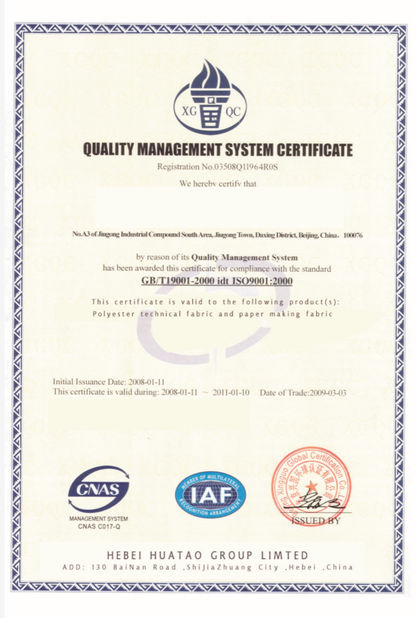
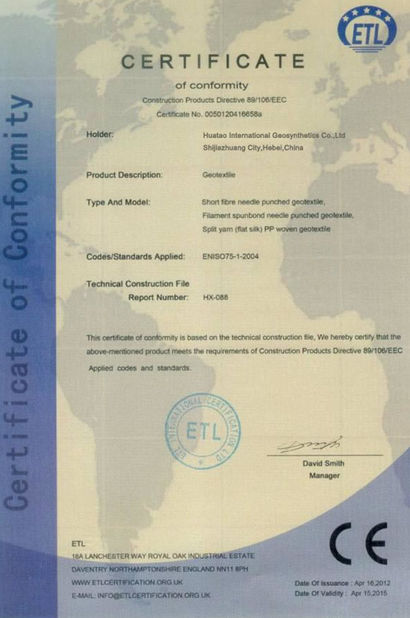
China HUATAO LOVER LTD certification
Huatao company is a very good company , I am very willing to cooperate with you, safe, efficient, professional, honest, happy! Thank you for providing me with stable service and products. -----EUROPAT

—— EUROPT INDUSTRIAL

I'm Online Chat Now
Company News
Why Does My Conveyor Belt Keep Tracking to One Side and How Can I Fix It?
Latest company news about Why Does My Conveyor Belt Keep Tracking to One Side and How Can I Fix It?


A conveyor belt tracks to one side because the forces acting on the two sides of the belt are no longer balanced. The most common causes are misaligned idlers or pulleys, off-center loading, material buildup, uneven tension, a crooked splice, or structural distortion. Correct the mechanical cause first, then consider a belt tracker for recurring deviation.

latest company news about Why Does My Conveyor Belt Keep Tracking to One Side and How Can I Fix It?  0


2. Key Takeaways

  • A belt running off-center is usually not a defective belt — something in the system is steering it sideways.

  • Start your investigation where the belt first leaves the centerline, not where it finally touches the structure.

  • The empty-versus-loaded test separates a loading problem from a mechanical alignment problem.

  • Alignment removes the cause; a belt tracker controls recurring deviation. They are not substitutes.

  • A BELT TRACKER should never be used to compensate for a twisted structure, a crooked splice, or a badly misaligned pulley.


3. Summary Table


Item Description Function Material Application Service Life
Belt Tracker Self-aligning idler assembly that steers the belt back to center Controls recurring lateral deviation Steel frame, rubber or PU rollers Carrying and return side, tail pulley area 3–8 years depending on duty
Conveyor Idlers & Rollers Carrying and return rollers supporting the belt Maintain belt profile and reduce friction Steel, HDPE, rubber lagging All conveyor sections 2–5 years
Impact Bed Shock-absorbing bed at transfer points Protects belt from impact and reduces spillage Rubber, PU, steel frame Loading and transfer zones 3–6 years
Conveyor Belt Cleaner Primary or secondary scraper removing carryback Reduces material buildup on return side PU, tungsten carbide, rubber Head pulley discharge 6–24 months for blades
Conveyor Belt Skirting Rubber or PU sealing strip at loading zone Controls spillage and dust Rubber, PU Loading point 1–3 years

4. Definition

Conveyor belt mistracking is the persistent lateral displacement of a conveyor belt away from its intended centerline during operation. It is a system-level condition, not a single-component defect. In mining, quarrying, aggregate processing, cement plants, and coal handling, mistracking is one of the most common causes of belt-edge wear, spillage, idler damage, and unplanned downtime.

latest company news about Why Does My Conveyor Belt Keep Tracking to One Side and How Can I Fix It?  1


5. Working Principle

A conveyor belt runs centered when the forces acting on both edges are balanced. Three force groups matter most:

  1. Idler and pulley geometry — the belt tends to move toward the end of the idler or pulley it contacts first. A slightly skewed idler creates a continuous steering force.

  2. Load distribution — off-center loading pushes the belt away from the centerline. This is why a belt can run perfectly empty and mistrack only when loaded.

  3. Belt and splice condition — camber, carcass distortion, edge damage, or a crooked splice introduces a repeating deviation once per belt revolution.

When any of these forces becomes dominant, the belt drifts. Correcting mistracking means identifying which force is dominant, not adjusting idlers until the belt looks centered.


6. Benefits of Correct Tracking

  • Longer belt life and reduced edge wear

  • Lower spillage and cleaner transfer points

  • Reduced idler and pulley damage

  • Lower power consumption

  • Fewer unplanned shutdowns

  • Safer operating environment

  • Lower total cost of ownership


7. Applications

Correct belt tracking matters in:

  • Mining conveyor systems handling ore, coal, and tailings

  • Aggregate and quarry conveyors

  • Cement plant clinker and raw material conveyors

  • Coal handling and stockyard conveyors

  • Port and bulk terminal conveyors

  • Mineral processing plant feed and discharge conveyors


8. Material Comparison


Material Wear Resistance Cost Best Application Notes
Rubber Good Medium General conveying, impact zones Excellent shock absorption
Polyurethane (PU) Excellent Medium-High Skirting, cleaner blades, fine material Better abrasion resistance than rubber
Steel High Medium Structural frames, idler shells Not suitable for sealing
Ceramic Very High High High-wear chute liners Brittle, not for flexible parts
HDPE Moderate Low Idler rolls, low-load applications Lightweight, low friction

9. Application Comparison


Application Recommended Tracking Approach Why
Short conveyor, stable load Manual idler adjustment Simple, low cost
Long conveyor, changing load Belt tracker + alignment Recurring deviation needs automatic control
Return side near tail pulley Return belt tracker Controls belt before re-entering loading zone
Transfer point with impact Impact bed + skirting Reduces spillage and belt damage
Conveyor with crooked splice Splice repair first Tracker cannot fix a repeating belt defect

10. Industry Application Matrix


Pub Time : 2026-09-15 16:11:19 >> News list
Contact Details
HUATAO LOVER LTD

Contact Person: Mr. Maple

Tel: +86 17778255675

Fax: 86--311-80690567

Send your inquiry directly to us (0 / 3000)